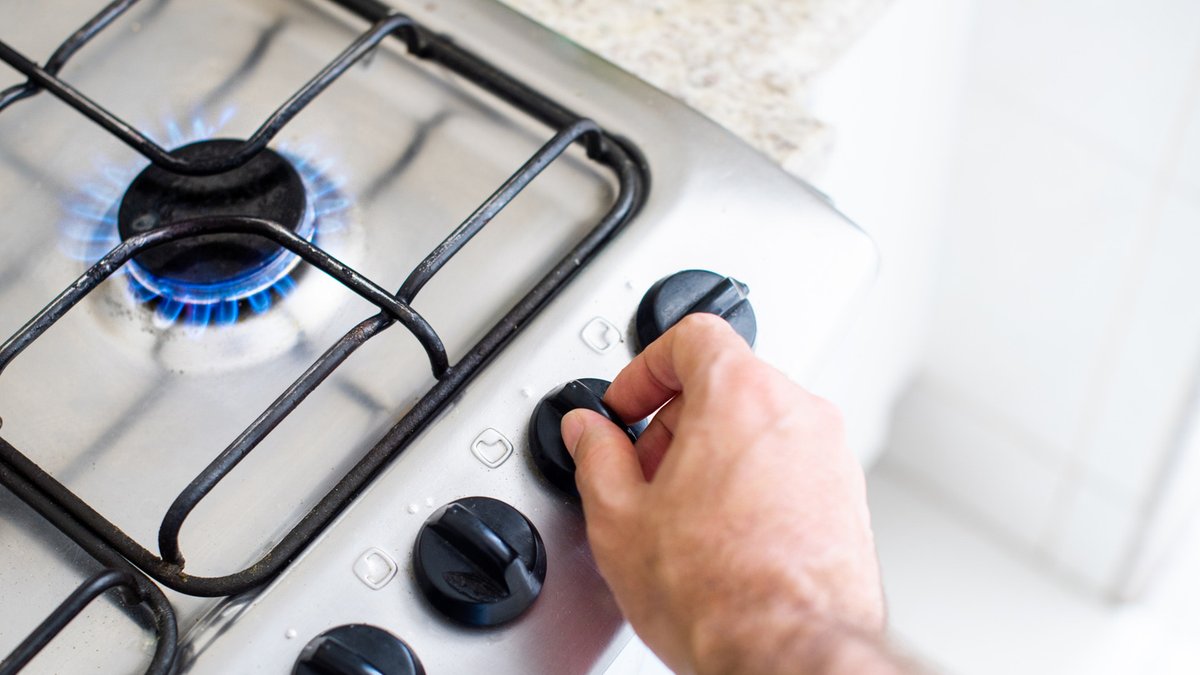
A weak flame on a gas stove can turn cooking into a frustrating experience—and in some cases, it may indicate a serious safety risk. Before jumping to conclusions, inspect basic issues first, as many problems have straightforward solutions. Failing to address the problem, however, could mean missing a gas leak, which poses fire and explosion hazards as well as health risks.
Begin by examining the burner caps. If flames are uneven or some ports fail to ignite, the cap may be misaligned or the wrong size for that burner. Turn off the stove, allow it to cool, and adjust the cap so it sits flush against the burner base. Some stoves require different-sized caps for each burner, so verify each cap matches its corresponding burner. A loose or mismatched cap restricts gas flow, resulting in weak flames.
Clogged burner ports are another frequent cause. Grease, food particles, or spilled liquids can block the openings, reducing flame height. Remove the burner caps and clean the ports with a soft brush or toothbrush. If moisture remains after cleaning, let the burner dry fully before attempting to relight it. Routine deep cleaning of the stove top helps prevent buildup and maintains proper burner function.
The igniter could also be the source of the problem. Over time, dirt or corrosion may interfere with its operation. Use a soft brush to clean the igniter’s contact points, ensuring it sparks reliably when the burner is activated. If the igniter fails to light the gas consistently, replacement may be necessary.
Related: WD-40 May Damage Certain Natural Stone Surfaces
When basic troubleshooting fails—and particularly if all burners produce weak flames—deeper issues may be involved. Gas lines can develop cracks or leaks, allowing gas to escape into the home instead of reaching the stove. A nearly empty propane tank, a malfunctioning regulator, or low pressure in piped gas systems can also weaken flame strength. Recently installed components might be damaged or improperly sized, so check that they meet specifications and are in good condition.
Flame color can provide important clues. Natural gas burners should produce a steady blue flame, while propane may show slight yellow tips. Yellow or orange flames—especially those accompanied by soot—often signal incomplete combustion, a possible indicator of gas supply problems or inadequate ventilation.
Safety must always come first. If a gas leak is suspected—detected by smell, hissing noises, or flames that do not burn blue—shut off the stove and the gas supply immediately. Do not attempt to locate the leak on your own. Leave the area, avoid using any electronics or switches, and contact emergency services or the gas provider from a safe location. Gas leaks are dangerous, and professional inspection is the only way to confirm safety.




Leave a Reply