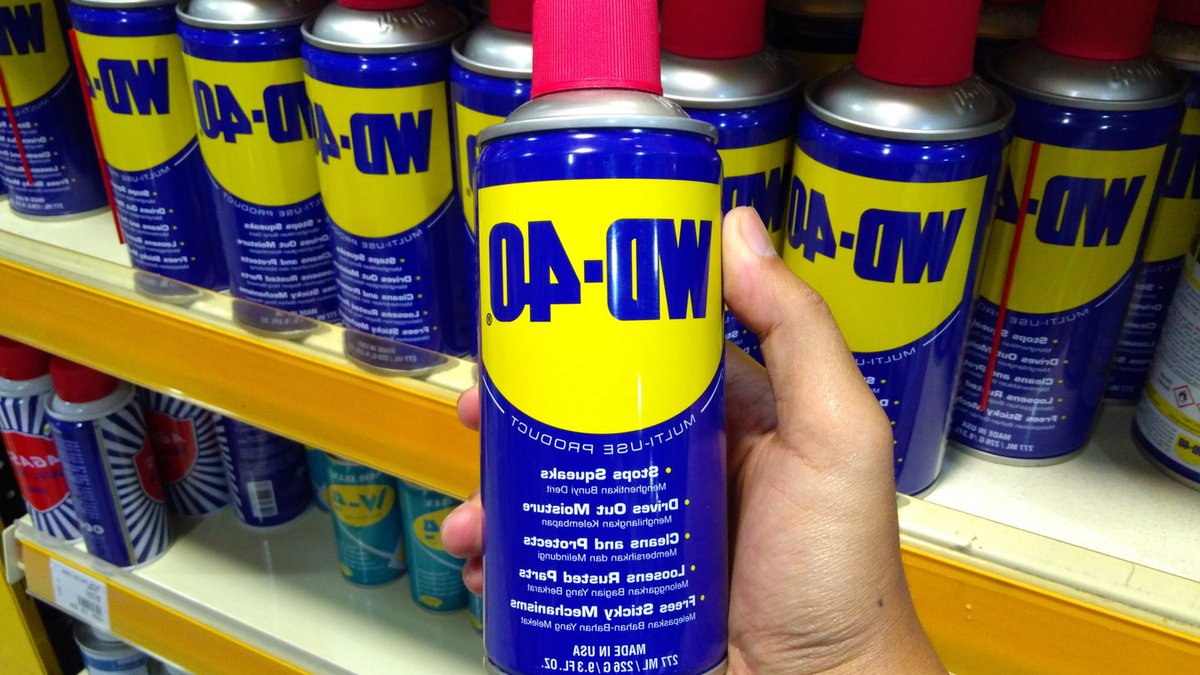
Using WD-40 on natural stone can lead to discoloration and lasting damage, experts say, because the spray seaps into the porous material and leaves oily marks.
Why the petroleum‑based spray harms porous rock
The product is essentially a petroleum‑based oil, which means it can migrate deep into the tiny voids of a slab. Once inside, it binds to the substrate and can break down any wax or sealant applied for protection. Granite, marble, travertine, and limestone are all vulnerable because they share a similar porous structure.
When the oily residue dries, it often appears as a faint gray or dark stain that is difficult to see until the light hits it at the right angle. Homeowners may think the spray is simply polishing the surface, but in reality it is coating the interior of the material, making future cleaning harder.
Related: Experts Reveal Ideal Carpet Lifespan
How to treat a stain if it occurs
If you discover a fresh spot, act quickly. The first step is to draw the oil out before it settles deeper. A poultice made from baking soda and water creates a thick, peanut‑butter‑like paste that absorbs the lubricant.
Spread a generous layer over the affected area, then cover it with cling wrap to keep the mixture from drying too fast. Secure the wrap with painter’s tape and leave it for about 24 hours. During this time the soda pulls the oil from the pores.
After the waiting period, remove the wrap and let the paste harden completely. Use a plastic scraper to lift the dried material, then wipe the spot with a soft cloth. If any faint streak remains, a second application may be necessary.
The broader lesson for homeowners is to keep a dedicated stone cleaner on hand and reseal countertops every six to twelve months. Regular maintenance reduces the chance that an accidental spray will cause a lasting blemish.
Related: Rustic Garden Beds Offer Simple Yard Upgrade
What to use instead of the spray
Products labeled “stone safe” or “pH‑neutral” are designed to clean without penetrating the material. Look for cleaners that specifically mention granite, marble, travertine, or limestone on the label. Applying a fresh coat of sealant after cleaning also creates a barrier that discourages oil absorption.
For routine care, a damp microfiber cloth followed by a mild dish soap solution works well for daily spills. Avoid acidic cleaners such as vinegar or lemon juice, which can etch the surface over time.
Choosing the right cleaner not only preserves the appearance but also extends the life of the seal, meaning fewer deep‑cleaning sessions in the future.





Leave a Reply