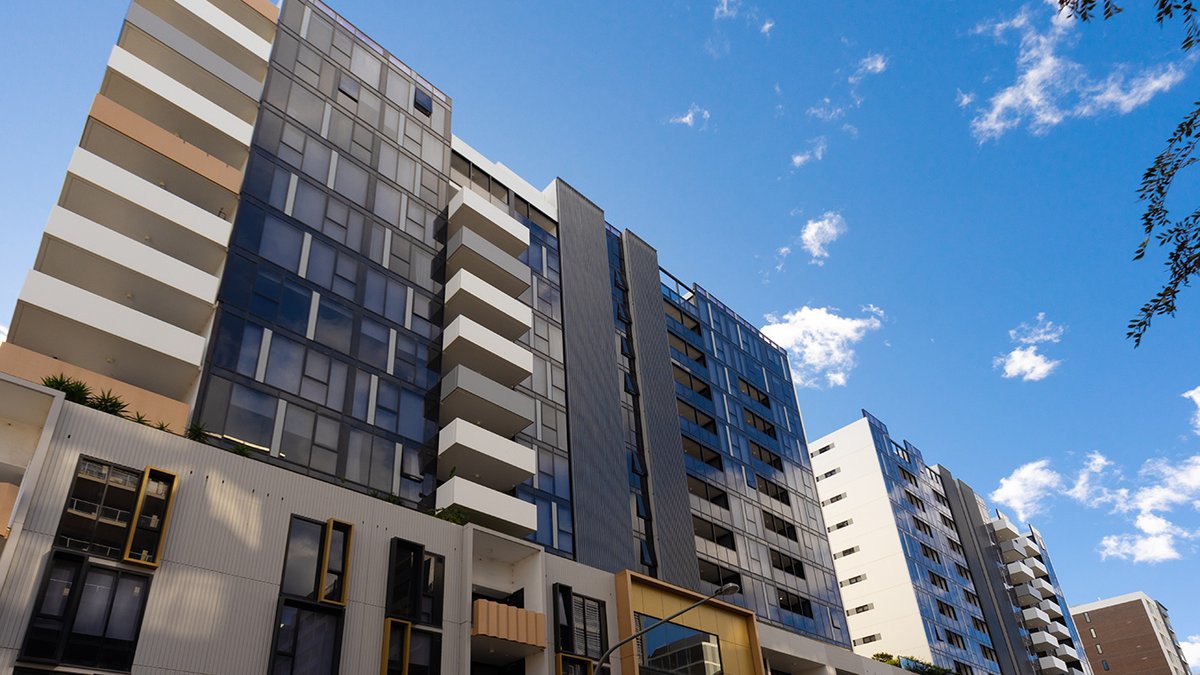
Rooming and boarding houses have seen a sharp rise in popularity across New South Wales over the last five years. This growth reflects shifting tenant needs and changing investment opportunities in the state’s residential market. The expansion of this sector is driven by a mix of high housing costs, specific labor patterns, and persistent supply shortages.
High Costs and Labor Shifts
Rising rents are a primary factor pushing people toward rooming houses. The median weekly rent in New South Wales reached $650 per week, marking a 73.8% increase since April 2019. When combined with broader economic pressures, many Australians struggle to afford traditional rental housing. For tenants, especially those living alone—a cohort projected by the Australian Bureau of Statistics to keep growing—the appeal lies in room rates that typically fall between $200 and $500 per week, with most units offered fully furnished and all utilities bundled, delivering a cost-effective alternative to conventional rentals.
Workers on fly-in, fly-out and drive-in, drive-out schedules are also boosting demand. These arrangements are becoming more common, and some employers lease rooming house accommodation for interstate staff because it offers greater comfort than standard truck stop lodging. These arrangements also enable employers to centralise staff accommodation, reducing logistical overhead.
Interstate migration has increased since the Covid-19 pandemic. Many people moving from metropolitan areas to regional locations find rooming houses attractive because they are fully furnished and come with utilities included, simplifying the transition.
Supply Shortages and Investor Appeal
Australia’s housing shortage is compounding demand for all forms of accommodation. The Housing Industry Association estimates a shortfall of more than 250,000 homes nationwide. This deficit, combined with net overseas migration of approximately 306,000 people in 2025, keeps pressure on the market. While rooming houses do not replace the need for new family-size dwellings, their higher occupancy per floorplan effectively lifts the overall housing stock.
Rooming houses increase housing capacity by allowing multiple tenants to occupy a single dwelling. While they do not solve the broader housing crisis, they offer an alternative that helps absorb the influx of residents. The market’s evolution from simply converting existing homes to constructing purpose-built complexes has introduced private bathrooms and compact kitchenettes for each tenant, raising privacy standards and overall livability compared with older shared-facility models.
Investors are also driving the supply side. Assets in central locations close to amenities tend to record low vacancy rates, which investors view as a sign of lower risk and consistent income. As the market matures, more purpose-built facilities are entering the sector, further establishing rooming houses as a significant segment of the residential market.




Leave a Reply