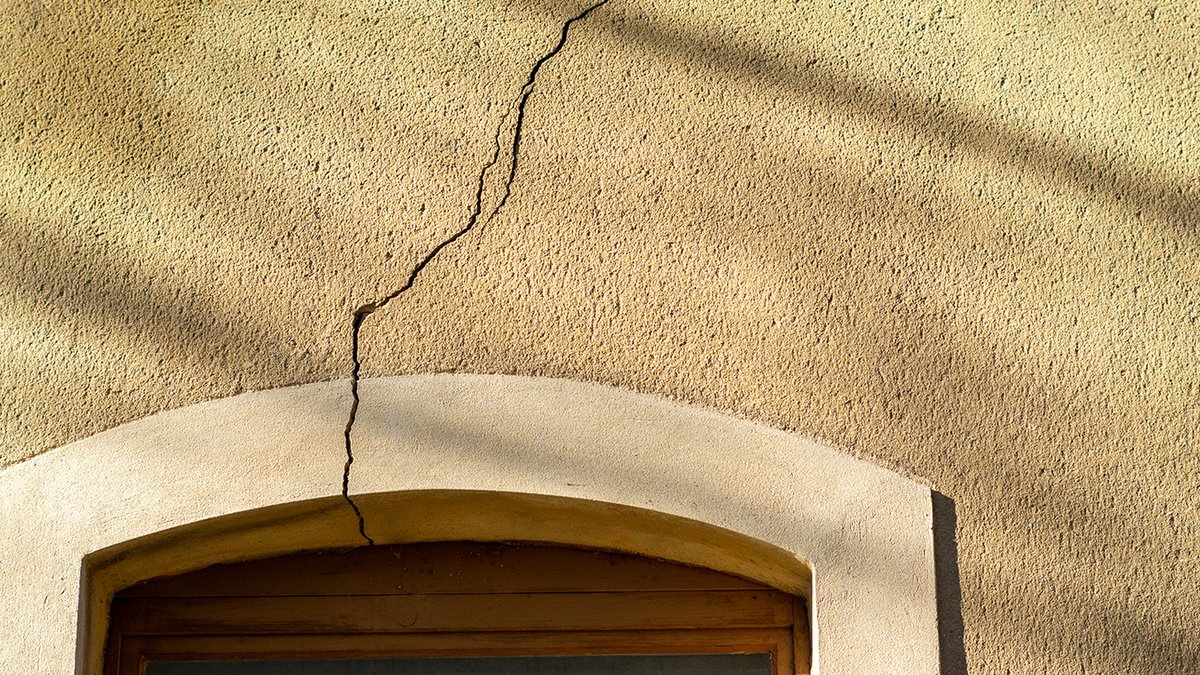
When an inspection uncovers significant building flaws, the appraisal must be suspended until the expense of fixing them is determined. Appraisers are not specialists in identifying structural problems or estimating the price of remediation, which often leads to lengthy hold-ups. In most cases, calculating the repair amount accounts for the bulk of the delay. Because these costs can materially influence the assessed market value, the valuation is paused while a building report and detailed rectification estimate are properly obtained.
The Costing Bottleneck
Finding a building inspector for a report typically takes 3-5 days. However, securing a builder or Quantity Surveyor to evaluate repair costs can extend up to eight weeks, particularly for structural damage. These delays directly impact property valuations, as the cost of repairs materially affects market value. Smaller repair issues are often handled differently. When quotes for minor works are available, valuers can incorporate allowances and proceed with the valuation. These problems that are not visually apparent during inspections, however, require specialized input beyond a valuer’s scope. Major structural issues that aren’t visible during an inspection, and the cost of fixing them, sit outside a valuer’s expertise. When those come up, we pause and bring in expert advice.
Streamlining the Process
Three sources can expedite cost assessments. First, reputable building inspection companies provide rapid reports. Second, an in-house Quantity Surveying team offers detailed, defensible assessments for contested matters. Third, a national project estimating firm can perform desktop assessments using the building report, eliminating the need for on-site visits. In family law matters where the issues are significant or contested, an independent Quantity Surveyor’s costing is often preferred.
It tends to be more objective and more detailed. These partnerships reduce delays by enabling prioritization of work. Property details flow directly from valuers to the internal Quantity Surveying team, avoiding redundant briefings. Questions are resolved internally, and lawyers maintain a single point of contact throughout the valuation process. This approach ensures valuations resume quickly once these costs are established.
In two recent major valuations, these methods shortened timelines significantly. The key is having efficient, reliable partners in place before instruction, rather than waiting for a builder to provide a quote. Builder or Quantity Surveyor costing for major structural works: can take 2-8 weeks.
Practical Advice for Practitioners
If clients raise concerns about building issues, or if structural problems are suspected, early disclosure allows for immediate engagement of the appropriate experts. Valuers can recommend the optimal path, whether through an independent Quantity Surveyor or a desktop assessment, to resume the valuation without prolonged delays. The right path depends on the matter. What matters is that none of them leaves the valuation waiting on a builder to find time to quote.





Leave a Reply