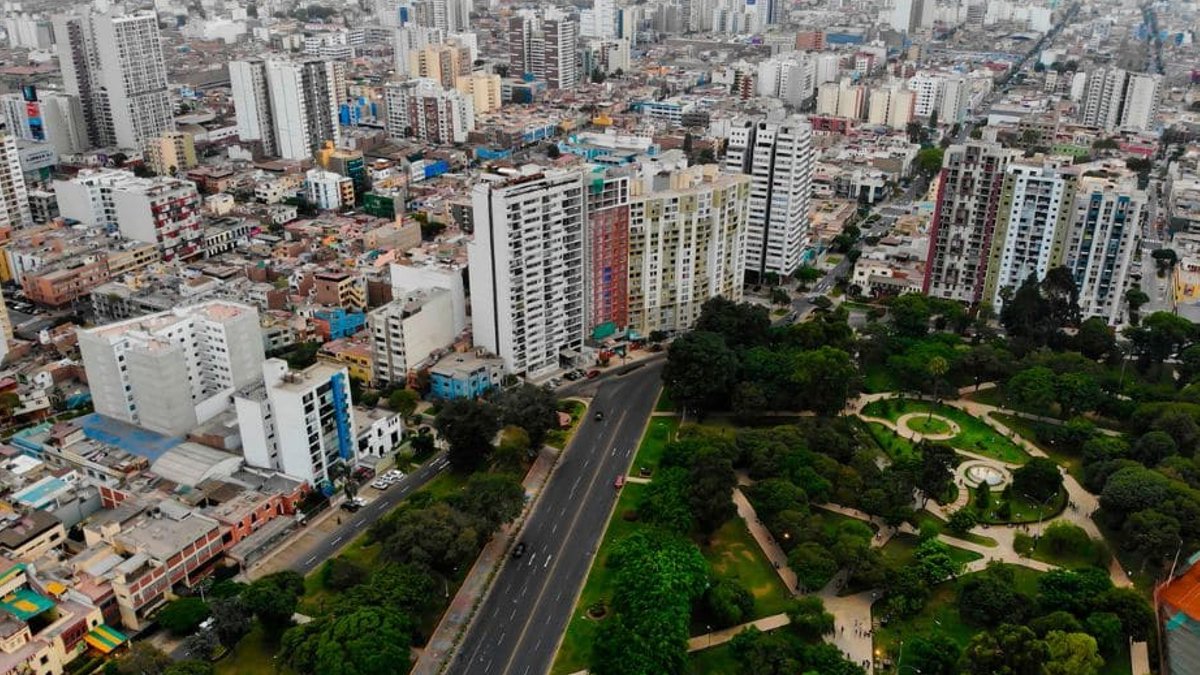
Lima is increasingly growing upward, transforming its urban expansion into vertical construction rather than simply spreading across new zones or widening existing areas. This shift affects how homes are designed and executed, moving away from simple structures toward complex systems that integrate safety, efficiency, and sustainability into every floor.
In this dense environment, the architectural and engineering focus shifts to the “silent axis” of the city, where apartments ranging from 60 to 70 square meters become the standard preference for buyers seeking efficient use of space.
Market Growth and New Standards
The housing sector in Lima has shown significant growth recently. According to CAPECO, the industry closed 2025 with a 6.5% increase. The Confederación de Desarrolladores Inmobiliarios del Perú (CODIP) estimates that the market saw a 19% rise in sold units, surpassing S/ 11 billion in total value.
Carlos Hidalgo, Operations Manager at Albamar Grupo Inmobiliario, argues that these figures reflect a deeper structural change. “Behind each of those figures is a profound change in the way the city is built,” Hidalgo says. “Lima has decided to grow upward, and that requires a new standard of engineering, digital technology, sustainability, automation, and construction processes that lean toward industrializing the build.”
What Defines the Modern Vertical Home
Modern residential towers in Lima are no longer defined solely by structural support and finishing touches. They function as integrated systems that combine security, energy efficiency, acoustic comfort, recreational common areas, and sustainability criteria.
Hidalgo highlights four key elements that define this new standard. First is structural security and seismic resistance, which becomes more critical with every additional floor. Second is the comfort and functionality of building systems, which ensure constant water pressure, adequate lighting, and durable materials. Third, the value lies in common areas that serve actual lifestyles, such as gyms, coworking spaces, and terraces. Finally, sustainability certifications like MiVivienda Verde, EDGE, or LEED ensure projects consume less water and energy while utilizing materials with lower environmental impact.
Unlike previous urban expansions that focused on quantity and land area, this current wave prioritizes the density of habitable units within established districts. This approach contrasts sharply with the mid-20th-century sprawl that characterized Lima’s initial growth, shifting the focus from the perimeter of the city to its core.
The demand for housing in Metropolitan Lima has intensified, driven by buyers who wish to live close to essential services, employment hubs, and public transportation. This dynamic has fueled a strong development of multifamily buildings that have not only transformed the city’s profile but also transformed how residential projects are conceived, designed, and executed.
Engineering and the User Experience
Engineering in these high-rise projects now dictates the user experience from the ground up. Digital modeling is applied during the design phase to optimize functional architecture, hydraulic efficiency, and energy use. A detailed control process is maintained for every individual unit, ensuring that the technical execution matches the initial design intent.
This methodology allows developers to offer a better long-term experience, though it also increases the technical complexity of each project. The result is a residential model where the final occupant is the central focus of every engineering decision, from the choice of low-consumption materials to the layout of ventilation and lighting systems.
At Albamar, work begins with digital models from the design stage, applying criteria for architectural functionality, hydraulic efficiency, and energy efficiency while maintaining detailed control for each apartment. This effort results in buildings and homes that offer a better usage experience over the years, ensuring that systems like water pressure and lighting are consistent and reliable for residents.




Leave a Reply