
Moving into a new home brings excitement and chaos. Boxes pile up, keys are in hand, and a list of overlooked essentials quickly becomes clear. While statement furniture or artwork may seem urgent, the first purchases should focus on making the space functional and comfortable.
The basics that matter most
Window coverings top the list of immediate needs. Bare windows leave rooms feeling exposed, particularly in bedrooms and living areas where privacy and light control matter. Ready-made panels or blinds in neutral tones work as a temporary solution while learning the home’s natural light patterns. Choosing permanent treatments too soon can lead to regrets, as curtains significantly alter a room’s proportions and mood.
A quality mattress is equally important. Moving is exhausting, and a comfortable place to sleep eases the transition. If the current mattress is worn out, replacing it early proves worthwhile. Fresh linen, a bedside lamp, and a few pillows turn the bedroom into a retreat while the rest of the house remains unsettled.
Lighting transforms a space. Overhead lights alone rarely create warmth. Adding bedside lamps, a floor lamp for the living room, and a rechargeable option for power outages makes the home feel inviting. The focus should be on areas used for reading, relaxing, or entertaining.
Related: Burgundy Interiors Make a Warm Comeback
Tools and practical fixes
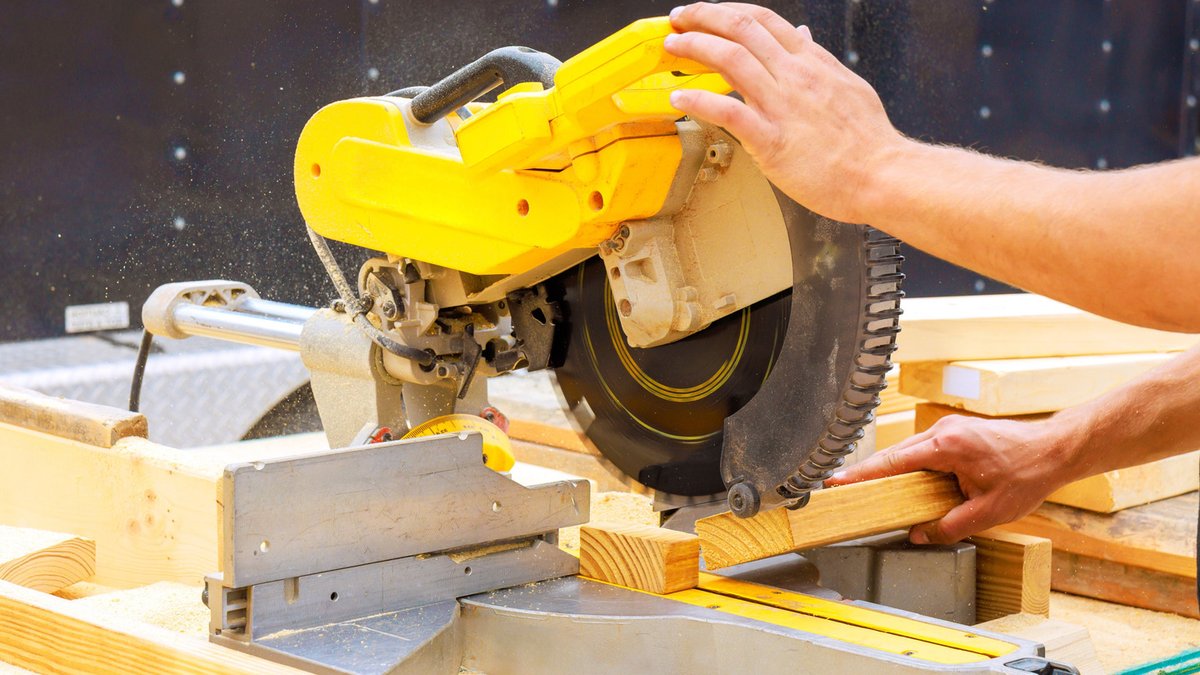
Many new homeowners overlook a basic toolkit until it’s needed. A starter set doesn’t require complexity—just functionality. A hammer, screwdrivers, pliers, an adjustable wrench, tape measure, utility knife, and a few drill bits handle most immediate tasks. A cordless drill is a useful upgrade if the budget allows. These tools see use sooner than expected, whether for assembling furniture, hanging pictures, or tightening loose cabinet handles.
Cleaning supplies often get forgotten in the excitement. A broom, mop, vacuum, microfiber cloths, and basic cleaning products should be ready from day one. Rubber gloves, trash bags, and a toilet brush may lack glamour but are necessary. A thorough clean before unpacking everything makes the process more satisfying.
Storage solutions should be added thoughtfully. Instead of filling the home with decorative baskets and organizers, address immediate problems first. A shoe rack by the entrance, hooks for coats, or under-bed storage for extra linens simplifies daily life. The aim is to create order without cluttering the space with items that may not suit the home’s layout.
Extension leads and multiplugs are often an afterthought in older homes where outlets aren’t conveniently placed. A few well-placed power strips prevent furniture rearrangements around a single socket. Safety remains critical—cheap, uncertified products pose risks, even if hidden from view.
Related: How to attract more birds to your garden
The kitchen and beyond
Plates, glasses, and cutlery are worth buying early if not already owned.
Once practical needs are met, one personal touch makes the house feel like a home. It doesn’t need to be expensive—a vase, a plant, a framed photograph, or a piece of local craft adds character. This purchase shifts the space from a work in progress to a reflection of its occupants.
Homes aren’t built in a weekend. They develop through small discoveries, inherited pieces, and items collected over time. The first purchases lay the groundwork, but the true personality emerges later. For inspiration on blending function and style, see how one homeowner balanced both in her Cape Town residence.




Leave a Reply