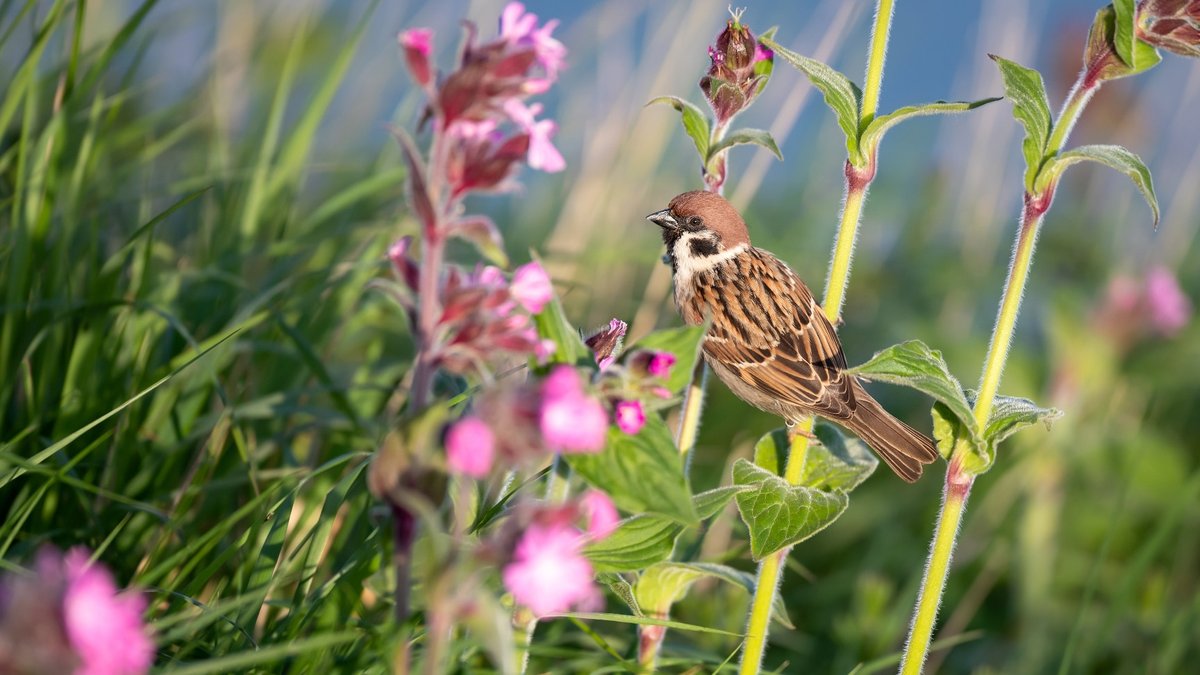
For many gardeners, the quiet morning ritual of coffee and birdsong offers a daily reward. Attracting birds requires more than a feeder and luck. The right plants, water sources, and small habitat changes can turn any yard into a year-round haven for finches, robins, thrushes, and other species.
Water is essential
Birds need fresh water every day for drinking and bathing. A shallow dish or small pond works best, particularly in dry summers or freezing winters. Even a hand-carved stone basin can become a gathering spot for various species. Keeping water sources ice-free in winter and topped up during heatwaves helps maintain a reliable supply.
When I was growing up, I remember my grandparents had a delightful shallow pond in their garden that, during the summer holidays, we would sit excitedly watching from the window as birds big and small arrived to shake their feathers, have a hearty drink, and a wash; it was utterly mesmerising.
Planting for food across seasons
Native berrying shrubs, seed-rich perennials, and fragrant climbers provide natural nourishment throughout the year. Some of the most effective choices include:
Related: Best hedge trimmers rated by experts
- Sunflowers: Their large seed heads draw birds. Leaving spent blooms standing extends the feeding season.
- Teasel: Seed heads persist through winter, providing a natural food source.
These plants serve both practical and decorative purposes. Many of these species also support insects, which provide a critical protein source for birds, especially during nesting season. A log pile in a shady corner, for example, becomes an insect nursery that doubles as a bird buffet.
Moving beyond manicured lawns
A perfectly trimmed lawn may impress neighbors, but it offers little for wildlife. Allowing sections to grow longer—or planting clover and wildflower mixes—creates foraging opportunities for robins and blackbirds. Leaving perennials like rudbeckia and teasel standing through winter provides seeds and shelter.
An autumn tidy-up can feel productive, but it often removes nutrients and habitat. Dry stems, for instance, house insects that birds rely on when raising chicks.
Pesticides pose another threat. Even small amounts can reduce insect populations, leaving birds with fewer food sources. Organic alternatives or simply tolerating some untidiness can help.
Related: Drought-proof your garden with these tips
Using feeders as a backup
While plants should provide most of the food, feeders help fill gaps—especially in winter. Different designs attract different species:
- Ground trays: Ideal for blackbirds and thrushes.
- Hanging feeders: Best for tits, finches, and sparrows.
Sunflower hearts and peanuts are also popular. Offering variety in both feeder types and food supports a diverse bird population.
Gardens that focus on these elements do more than attract birds. They become thriving ecosystems. The benefit extends beyond ecology—it’s the daily joy of watching life unfold in your own backyard.
One gardener summed it up: “It’s not about perfection. It’s about creating a space where birds want to be—and where you want to sit and watch them.”





Leave a Reply