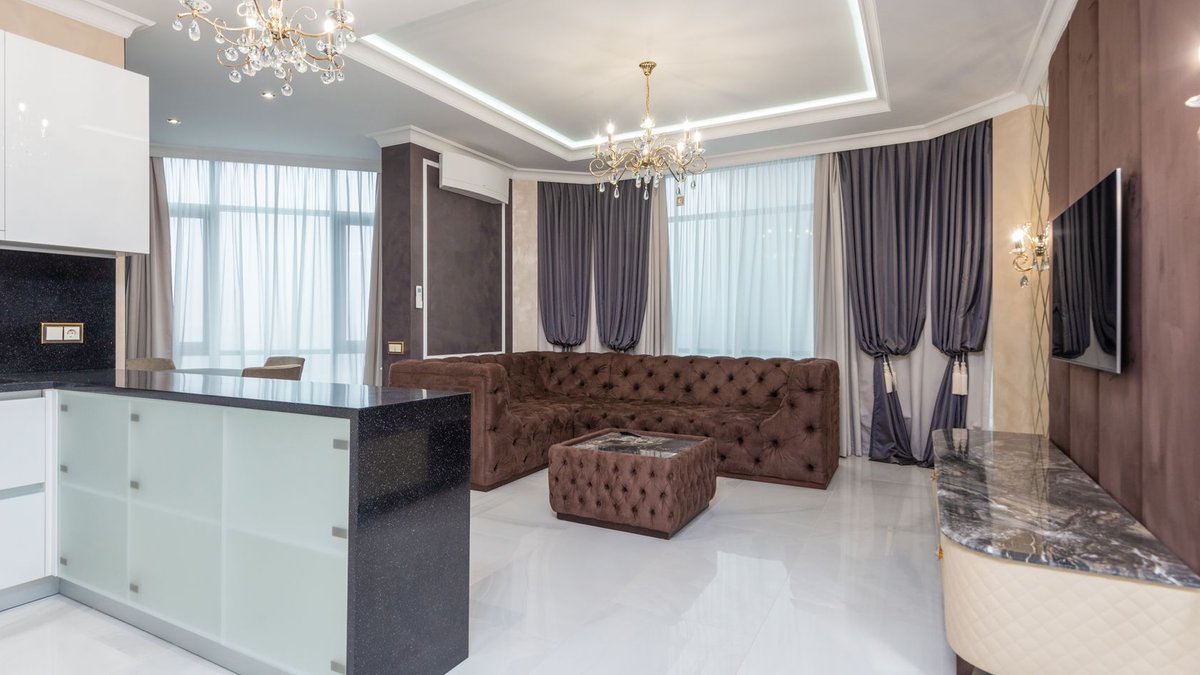
For a while, interiors were dominated by pale neutrals, soft beige and understated shades of greige. Now, however, a richer colour story is emerging — and burgundy is leading the charge. Deep, wine-inspired reds are bringing warmth, drama and a sense of old-world sophistication back into contemporary homes.
Burgundy isn’t quite red, and it isn’t quite purple. Sitting somewhere between the two, its complexity is precisely what makes it so appealing. Depending on the light and what it is paired with, the shade can feel moody and atmospheric, elegant and traditional, or surprisingly modern.
A More Sophisticated Take On Red
Unlike brighter reds, burgundy doesn’t demand attention in quite the same way. Its depth allows it to become enveloping rather than overpowering, making it particularly effective in rooms designed for relaxation and entertaining. Used across walls, cabinetry or upholstery, it can create a cocooning atmosphere that feels especially appropriate during the cooler months.
Related: Blair Athol garden blends nature and order
And while the colour has a natural affinity with traditional interiors, it can look equally striking against contemporary architecture and streamlined furniture. The trick is to adopt its complexity rather than treating it as a simple statement colour.
Burgundy From Floor To Ceiling
For the more adventurous, burgundy walls can completely transform a room. A dining room, study or entrance hall is an ideal place to experiment, particularly where the darker shade can create a sense of intimacy. Colour-drenching — using the same or closely related tones across walls, ceilings, doors and woodwork — takes the effect even further.
Rather than making a room feel smaller, a carefully chosen dark shade can blur the boundaries between surfaces, creating a surprisingly immersive interior. If painting an entire room feels like too much commitment, start with a single wall or architectural feature.
Let Furniture Do The Talking
Burgundy upholstery is another way to introduce the colour without permanently changing the architecture of a room. A velvet sofa, occasional chair or upholstered headboard can become an instant focal point. Velvet is particularly well suited to the shade, as its ability to catch and absorb light gives burgundy additional tonal variation.
Related: Luciano’s Garden Blends Geometry With Wild Beauty
For a more restrained approach, consider a burgundy dining chair, ottoman or footstool. These smaller pieces can add the same richness while remaining relatively easy to update.
Timber, stone, leather and aged brass all bring out different qualities in the shade. Against pale oak, burgundy feels fresher and more modern. Darker timber makes it moodier and more traditional, while warm brass accents introduce a subtle sense of glamour.
In The Kitchen
Burgundy is also moving beyond living spaces and into the kitchen. Deep red cabinetry can give a practical space a sense of personality, particularly when balanced with marble, timber or brushed metal. For those not ready to commit to an entire kitchen, a burgundy island, pantry doors or even a painted dresser can introduce the colour in a more controlled way.
Related: Women who shaped Groot Constantia’s history
The shade works particularly well in kitchens.
Perhaps the most appealing thing about burgundy is that it doesn’t feel like a fleeting trend. Its association with traditional interiors, rich textiles and historic architecture gives it a sense of permanence.
Whether used boldly across walls and cabinetry or introduced through a single velvet chair, burgundy offers an easy way to make an interior feel warmer, richer and more considered. After years of pared-back neutrals, perhaps it’s time our homes had a little more depth. With its timeless appeal, burgundy is a colour that can add warmth and sophistication to any room, making it a great choice for those looking to update their interior design.





Leave a Reply