A well-designed product can solve problems, but getting it into the hands of those who need it is a separate challenge. Designers are now expected to consider business models, manufacturing, and marketing, going beyond form and function.
In the latest episode of SURROUND Presents, METROPOLIS Editor-in-Chief Avi Rajagopal discusses this evolving role with Souvik Paul, founder of medical device startup Aurie, and Sinclair Smith of the School of Visual Arts (SVA) MFA Products of Design program.
From Wall Street to Medical Device Design
Paul’s journey began on Wall Street, where he worked in finance before pursuing industrial design. A personal experience shifted his focus: his future sister-in-law’s spinal cord injury led him to explore how design could improve lives for people with disabilities.
This path resulted in Aurie, a startup creating a reusable catheter system for those with spinal cord injuries, spina bifida, and multiple sclerosis. Aurie’s catheter can be reused up to 100 times, with a compact system that cleans, disinfects, and lubricates it between uses.
The Business of Design
Designing the system was just one challenge. After graduating, Paul worked at Johnson & Johnson, where he learned about bringing medical technologies to market. He realized that to make Aurie a reality, he needed to build the business behind it.
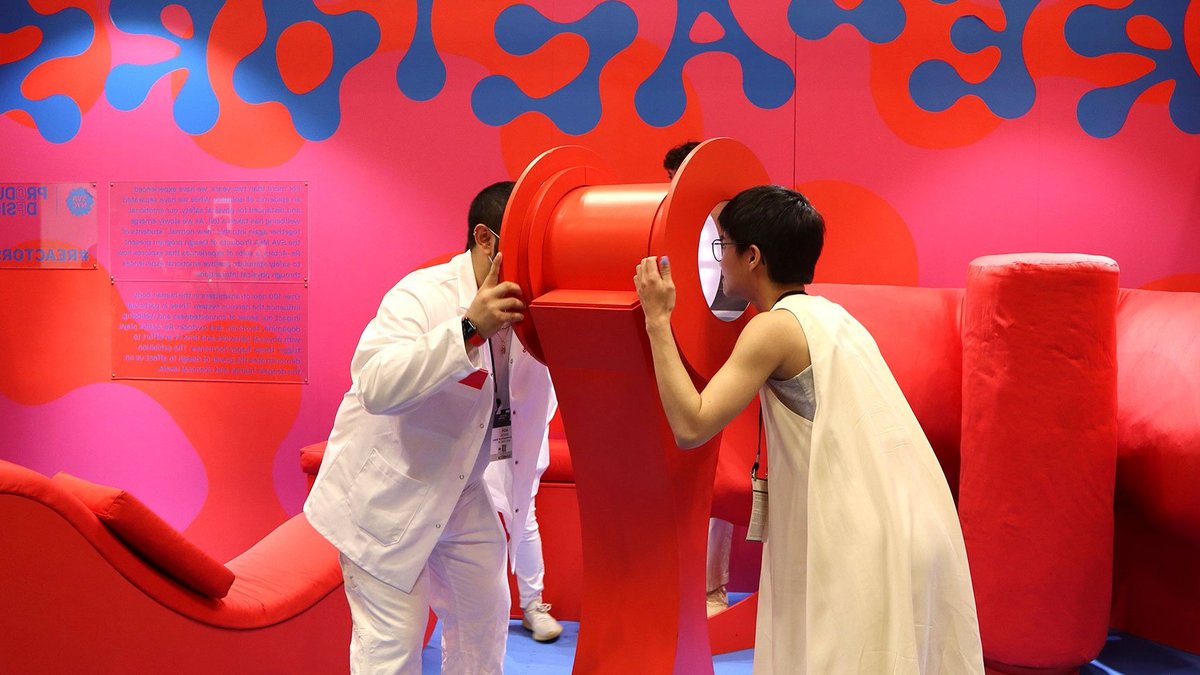
Paul’s experience reflects a broader shift in design education. At SVA, Smith has integrated business modeling and entrepreneurship into the MFA Products of Design curriculum, allowing students to develop commercial frameworks alongside their products.
Design Education Evolves
Smith’s approach at SVA prepares students to move beyond prototypes, equipping them with the skills to work through the complexities of bringing products to market. This includes understanding regulatory requirements, communicating with investors, and collaborating across disciplines.
Paul’s Design Education Impact
Paul’s design education continues to shape his work at Aurie. His training informs collaboration with designers, communication with investors, and navigation of medical device regulations.




Leave a Reply