When contractors tackle roof repairs or building maintenance, the first decision they face is how workers will reach the height. Falls from elevation remain a top cause of severe injuries and fatalities in UK workplaces, so selecting the right access method directly affects cost, efficiency, and safety. Three primary options exist: scaffolding, mobile raising work platforms (often called cherry pickers), and rope access, each designed for specific scenarios rather than serving as a universal solution.
Scaffolding: A Reliable but Resource-Intensive Approach
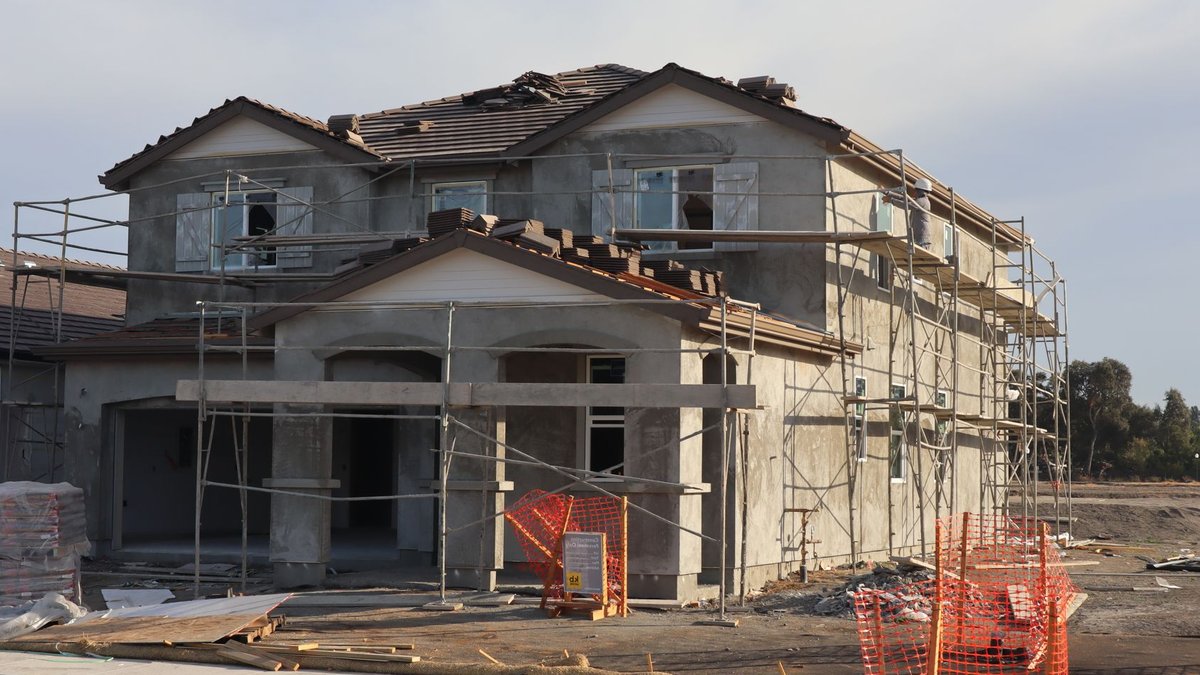
For large-scale roofing projects, scaffolding remains the standard choice. It provides a stable, full-length platform with integrated edge protection, allowing multiple trades to work simultaneously. The structure can also include shielding for workers and pedestrians below, using netting, boards, or enclosed walkways. This makes scaffolding particularly suitable for full re-roofing, chimney rebuilds, or extensive repair work.
However, scaffolding demands significant time and resources. Assembly and disassembly take hours, and the setup may require clearance from local authorities if it obstructs public spaces. It must be erected by certified scaffolders following strict industry standards, inspected before first use, and rechecked every seven days—or more frequently if conditions change, such as after high winds or storms. The upfront expenses and logistical challenges often make it impractical for smaller or short-term jobs.
Read Also: New Jersey Landlords Face New Lead Paint Obligations
Mobile Raising Work Platforms: Efficiency for Targeted Tasks
Cherry pickers, or mobile raising work platforms, offer a faster alternative for focused tasks. These machines lift workers in a basket directly to the work area, eliminating the need for assembly. They are ideal for gutter repairs, slate replacements, fascia adjustments, or chimney inspections—situations where scaffolding would be excessive. Hiring a cherry picker can reduce costs and time for smaller projects, provided the ground is level and there are no obstacles like overhead power lines.
Yet, these platforms have clear limitations. The basket holds only a few tools, making heavy or large-scale work impractical. Operations must pause if wind speeds exceed safe limits, and the machine requires a stable surface. When renting, contractors should confirm the operator holds proper certification, such as IPAF training. A cherry picker’s advantages diminish for jobs requiring access across multiple areas or extended periods.
Rope Access: Precision for Narrow or Raised Spaces
Rope access technicians work suspended from ropes, using a primary working line and a backup safety line. In the UK, training and assessment under the IRATA system is the recognised standard. This method proves effective where scaffolding is impractical, such as on tall buildings, narrow sites, or for tasks like inspections, cleaning, or minor repairs. It eliminates the need for bulky structures, allowing rapid access to difficult-to-reach areas.
Read Also: Escrow Accounts Simplify Home Loan Expenses for Buyers
Still, it is not a universal fix. Technicians carry limited equipment, so heavy or extensive work remains inefficient. The National Federation of Roofing Contractors (NFRC) advises against treating rope access as a default option, stressing that its use must be justified for both safety and practicality. For larger or more demanding projects, scaffolding or platforms continue to be the preferred choice.
Critical Considerations Before Selecting Access Methods
- What access method is proposed, and how does it suit the job’s requirements?
- Who will operate the equipment, and what certifications do they hold?
- Does the quoted price include all access-related expenses, such as setup, rental, and removal?
- Are permits required for pavement or road use, and who will secure them?
- How will workers and property below be protected during the project?
- What backup plan exists if weather conditions disrupt the work?
A lower initial quote may exclude access costs, so direct comparisons are necessary. The optimal choice varies by project scale, building structure, site constraints, and duration. A full re-roof, a gutter repair, and a high gable inspection each require different solutions. Contractors who offer multiple access methods can provide tailored recommendations instead of defaulting to their most familiar option.
The UK’s Work at Height Regulations 2005 require contractors to avoid height work where possible, use fall-prevention equipment when necessary, and only then consider measures to minimize fall risks or impact. Ladders are permitted solely for brief, low-risk tasks. For anything larger, contractors must justify their chosen access method. The Health and Safety Executive (HSE) provides detailed guidance, but each project demands a customized risk assessment by a qualified professional.





Leave a Reply