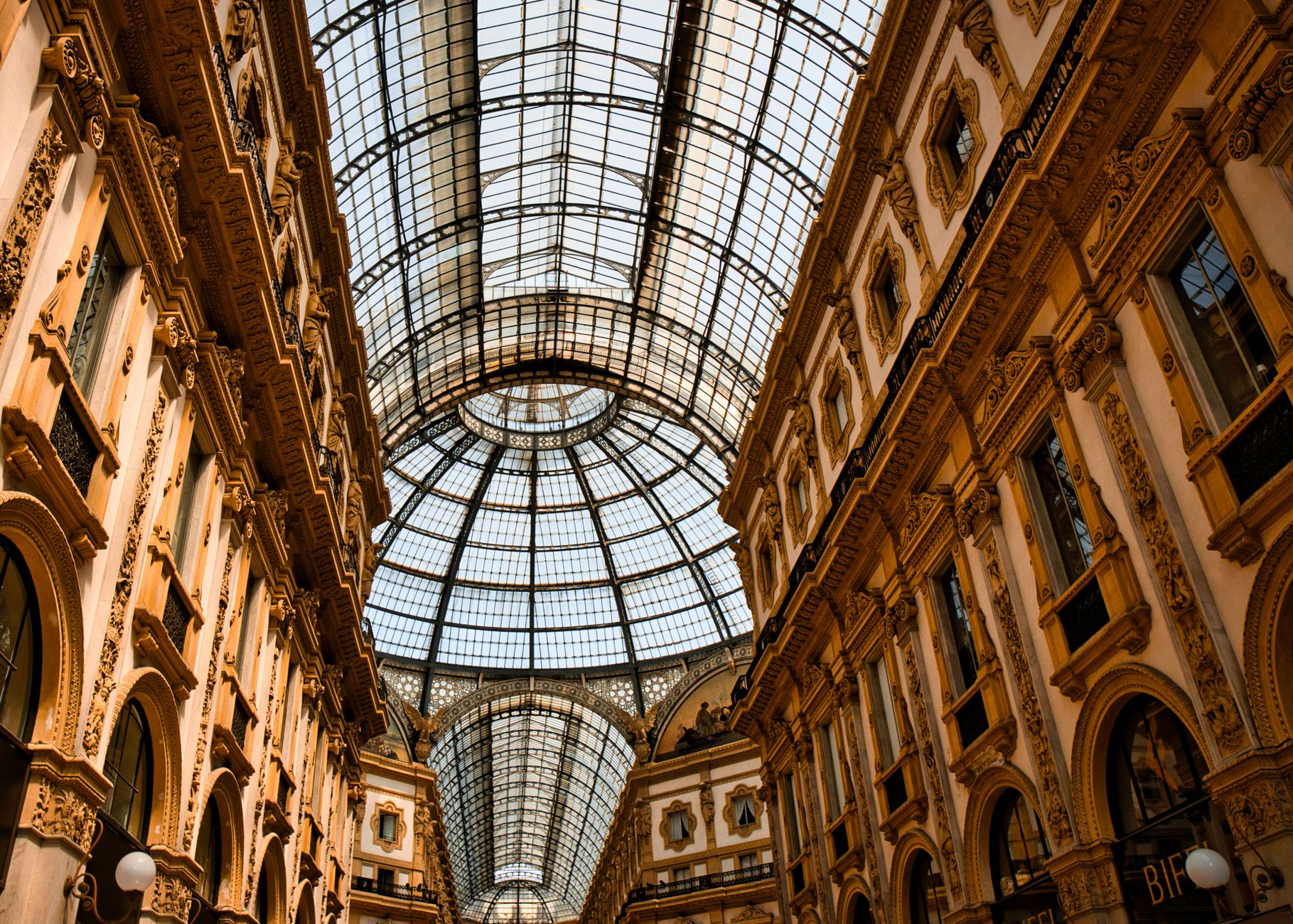
Honest critique happened in private messages, not on the show floor, during Milan Design Week 2026. That’s one of the key takeaways from a detailed first-person account of the event, written by an industry insider who attended alone for the first time in sixteen years.
The writer spent nine nights in Milan, moving through an itinerary built on years of working the city’s design week. They argue that the most valuable conversations took place in DMs, text messages, and late-night talks at Bar Basso — spaces where designers and peers felt safe enough to share what they really thought about brands, installations, and each other.
“Truths almost no one is willing to say in public, because the ecosystem we work inside has been engineered to punish honesty,” the account states.
The problem, according to the author, is that nearly everyone whose income touches design has a financial reason to say nice things. Dealers and designers depend on brands. Press depends on advertisers. Influencers depend on access. So when a brand claims everyone loved their new collection, they’re often hearing from people who can’t afford to be honest.
Related: Valencia workspace gets Tokyo inspired makeover
“That’s not real feedback. That’s a feedback loop,” the piece notes. Politesse gets confused with positivity, dissent gets engineered out, and honesty migrates to encrypted threads and trusted circles.
Three brands show different appetites
The account singles out three furniture companies to illustrate the range of approaches during the week.
The Cassina showroom left the writer angry and sad.
The central stair at the Via Durini showroom was wrapped in synthetic fake fur, described as an “attention-seeking folly” beneath the brand’s intelligence. Patricia Urquiola’s new sofa system looked like a thin update of 1980s design. A reissued Gaetano Pesce plastic chair and a reissued Verner Panton Peacock chair prompted this reaction: “We don’t. Some things did their best work in their moment.”
Edra took a different path. The company hosted an Evening of Honour at Teatro alla Scala dedicated to the Campana brothers, with Humberto Campana present in memory of his brother Fernando. The event included the Ballet School of the Teatro alla Scala Academy, soloists, and an orchestra. They called it “the best La Scala show I’ve seen” and said the Boléro finale will stay in memory. The gesture was framed as “proper cultural generosity.”
Related: Kristy Sarah’s home is both sanctuary and set
Margraf, a regional Italian marble supplier, staged La Casa di Marmo at Spazio Cernaia, an underground bunker.
Working with architect Hannes Peer for the second year, they transformed the space into a luminous stone home with a central waterfall, backlit onyx, and three-dimensional relief carvings. The project took four weeks of execution and major investment. “They’d been pushed to their limit. They went there anyway,” the account says. The key difference between these three isn’t size — it’s appetite.
Brand activations overwhelm design
The author argues that Milan 2026 marked the year brand activations overtook design installations as the dominant format. Examples include Demna’s Gucci debut with black branded vending machines in a Milanese cloister and McDonald’s debut at Tortona with a pool-sized ball pit “informed by” Damien Hirst’s Spot Paintings.
“I’m not interested in litigating each activation — some are better-intentioned than others, some are beautiful, a few might even be defensible. But the cumulative effect is corrosive,” the piece says.
Related: Malin Akerman Sells Los Feliz Estate
The advice to attendees is blunt: walk past the ball pit, skip the queue at the inflatable, decline the free sample. The work worth seeing isn’t in those rooms.
The trend toward deliberate ugliness
Alongside the activation arms race, the text notes a borrowed-from-fashion trend: championing the deliberately ugly as if it’s bravery. Nilufar Gallery’s show on Via della Spiga was the clearest example. The problem wasn’t individual pieces but the curation — staging objects together to amplify discomfort. One bed was described as looking like an alien creature, problematic because “a bed has a job.” The broader experience felt like being asked to spend time inside a curated argument that beauty doesn’t matter.
The reaction was visceral: shaking hands and a racing heart.
That tension — between genuine design work and the marketing machinery surrounding it — is the structural condition that produced Milan 2026, the writer concludes. And the only pressure that can change a calcified industry, they argue, is honest seeing from practitioners and editors who refuse the polite fiction.




Leave a Reply