The CAPECO has called for stronger risk management and infrastructure investments to mitigate the impact of extreme weather events like El Niño, warning that current gaps in prevention, maintenance, and coordination leave the country vulnerable.
The proposal arrives as Peru braces for potential new natural disasters, and executive vice president Guido Valdivia highlighted persistent challenges: insufficient preventive works, delays in financing and contracting, and bureaucratic hurdles.
Valdivia emphasized that the response must shift from reactive emergency measures to a long-term system integrating prevention, crisis handling, and reconstruction. “Instead of focusing only on emergency response, we need a framework that ties prevention, crisis handling, and recovery—with sustained funding to keep infrastructure functional,” he said during the presentation of IEC N° 104.
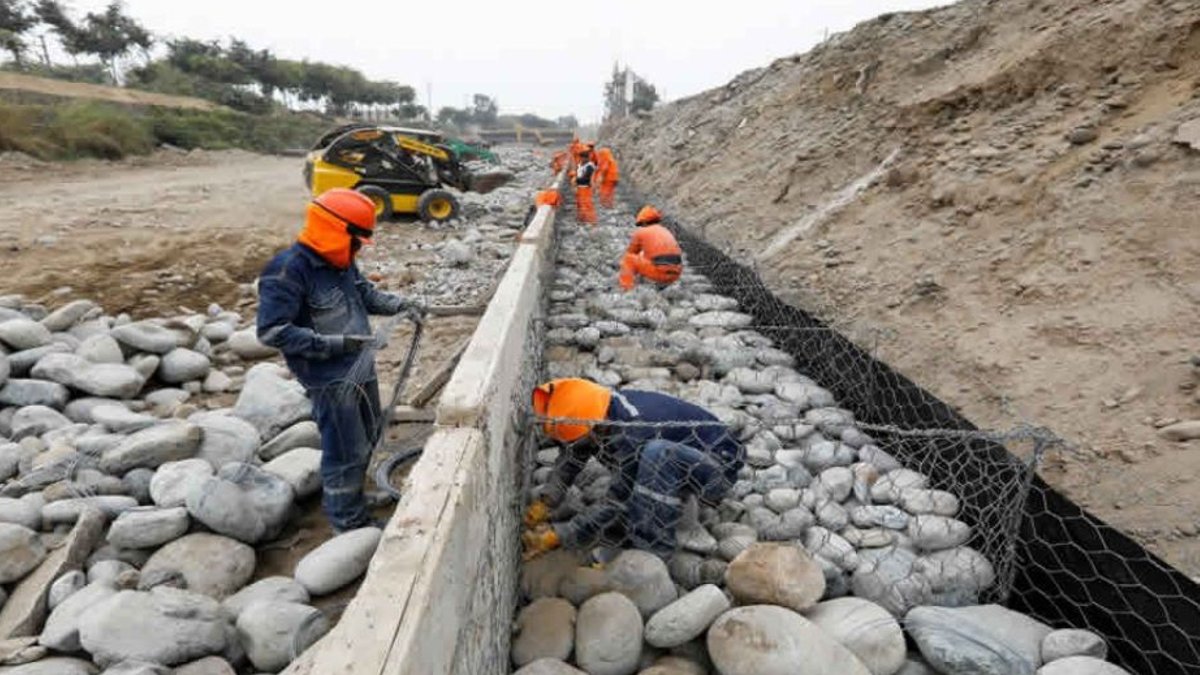
The organization proposes focusing on watershed management in high-risk areas prone to flash floods. Combining interventions such as channel cleaning, riverbank defenses, and urban drainage systems, while evaluating reservoirs in upland zones, could store water for droughts and regulate flows during heavy rains expected in El Niño events.
Operational and maintenance planning must start early, Valdivia stressed. Many projects fail because they lack post-construction oversight. “Having the infrastructure built isn’t enough, we must ensure its upkeep to deliver lasting benefits,” he noted. This includes regular inspections, repairs, and adaptive adjustments to climate shifts.
Coordination between public agencies and private firms is another weak point. The group supports creating a high-level commission to align efforts and suggests leveraging programs like Obras por Impuestos, where companies fulfill tax obligations through infrastructure contributions, to accelerate emergency projects. Private-sector involvement could fill gaps where public budgets fall short.
The reconstruction phase also needs preemptive work. Identifying critical zones and cataloguing potential damage in advance would speed up recovery, targeting bridges, roads, housing, and preventive structures more efficiently. Valdivia cautioned that preparation must be continuous, as some disasters, like earthquakes, are unpredictable, while others, like El Niño, can be forecasted with varying certainty.
The push for integrated risk management aligns with global trends in climate-resilient infrastructure, though fragmented governance often slows implementation. The gremio’s proposal avoids relying solely on government action, instead advocating for public-private partnerships and tax-incentivized programs to distribute the financial burden.




Leave a Reply