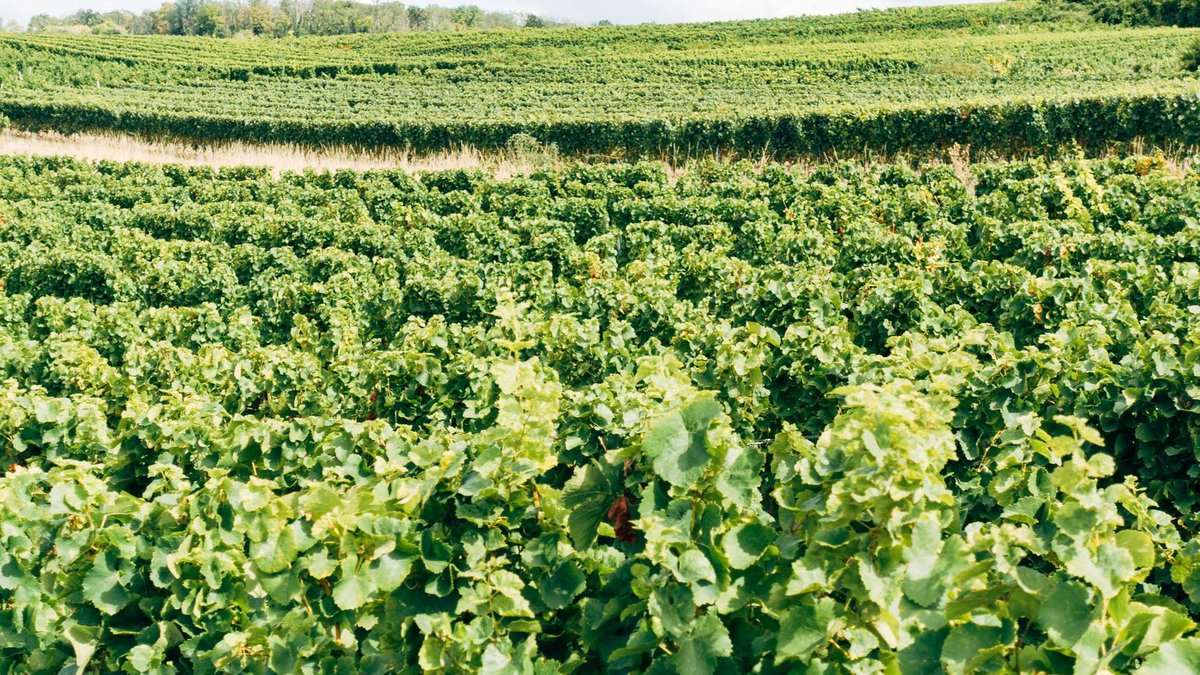
South Africa’s wine industry is being shaped by a growing number of women who see vineyards as living ecosystems rather than simply places to grow grapes. Their work extends beyond producing exceptional wines; they’re restoring soil health, protecting indigenous biodiversity, and rethinking how wine can be made with a lighter environmental footprint.
Women Leading the Charge
Rosa Kruger, a respected vinegrower and founder of the Old Vine Project, has spent decades identifying and protecting vineyards older than 35 years. Older vines naturally develop deep root systems that improve drought resilience while requiring fewer interventions, making them an important part of sustainable viticulture.
Carmen Stevens, the first black South African to qualify as a winemaker, has become one of the industry’s most influential voices. Alongside producing award-winning wines, Stevens champions responsible production and community upliftment through initiatives that provide meals to thousands of schoolchildren.
Sustainability and Social Impact
Ntsiki Biyela, founder of Aslina Wines, has built an internationally respected brand rooted in authenticity, ethical sourcing, and a deep respect for the land. She also serves on the board of the Pinotage Youth Development Academy, helping cultivate a more diverse and sustainable future for South African wine.
Andrea Mullineux, co-founder and winemaker at Mullineux & Leeu Family Wines, has helped establish Swartland as one of South Africa’s most exciting wine regions. Working predominantly with dry-farmed vineyards, she favours minimal intervention in both vineyard and cellar, allowing healthy soils and naturally balanced vines to produce wines that truly express their terroir.
Cathy Jordan, who has led Jordan Wine Estate for decades, has a philosophy centred on environmental stewardship. The Stellenbosch estate actively protects indigenous fynbos, conserves wetlands, and manages natural habitats alongside its vineyards.
Related: Syrah Sour Cocktail Wins Top Award
Regenerative Farming and Climate Resilience
Samantha O’Keefe, after devastating wildfires destroyed much of Lismore Estate in 2019, chose to rebuild with resilience in mind. Her recovery focused on restoring vineyard ecosystems instead of simply replacing the infrastructure, reinforcing the importance of biodiversity and climate adaptation in modern viticulture.
A New Era for South African Wine
While each of these women follows a different path, they share a common belief: exceptional wine begins with healthy ecosystems. Whether preserving heritage vineyards, restoring biodiversity, farming with fewer chemical inputs, or mentoring future generations, they are reshaping South African wine into an industry that values stewardship as highly as craftsmanship.
Their work is proving that luxury and sustainability are no longer separate conversations. Instead, the country’s most exciting wines increasingly come from vineyards where healthy soils, indigenous biodiversity, and responsible farming are treated as the foundation of quality. As the industry continues to evolve, it’s likely that these women will remain at the forefront of the movement towards a more sustainable and environmentally conscious South African wine industry.
South Africa is not alone in its pursuit of sustainability. However, the country’s unique combination of biodiversity and climate challenges makes its approach particularly noteworthy. The work of these women serves as a model for other regions, demonstrating that sustainability and quality are not mutually exclusive, but rather intertwined aspects of exceptional winemaking. Journalists on the scene report that the industry’s shift towards sustainability is also reflected in the way wine is presented and enjoyed, with a growing emphasis on dinner parties that showcase local and sustainable produce.
The industry’s evolution is also evident in the way wine is made and consumed. According to the filing, there is a growing trend towards organic and sustainable wine production, with many winemakers opting for natural methods and minimal intervention. This shift is likely to continue, with the report suggesting that consumers are increasingly looking for wines that are not only of high quality but also produced in a way that is kind to the environment.





Leave a Reply