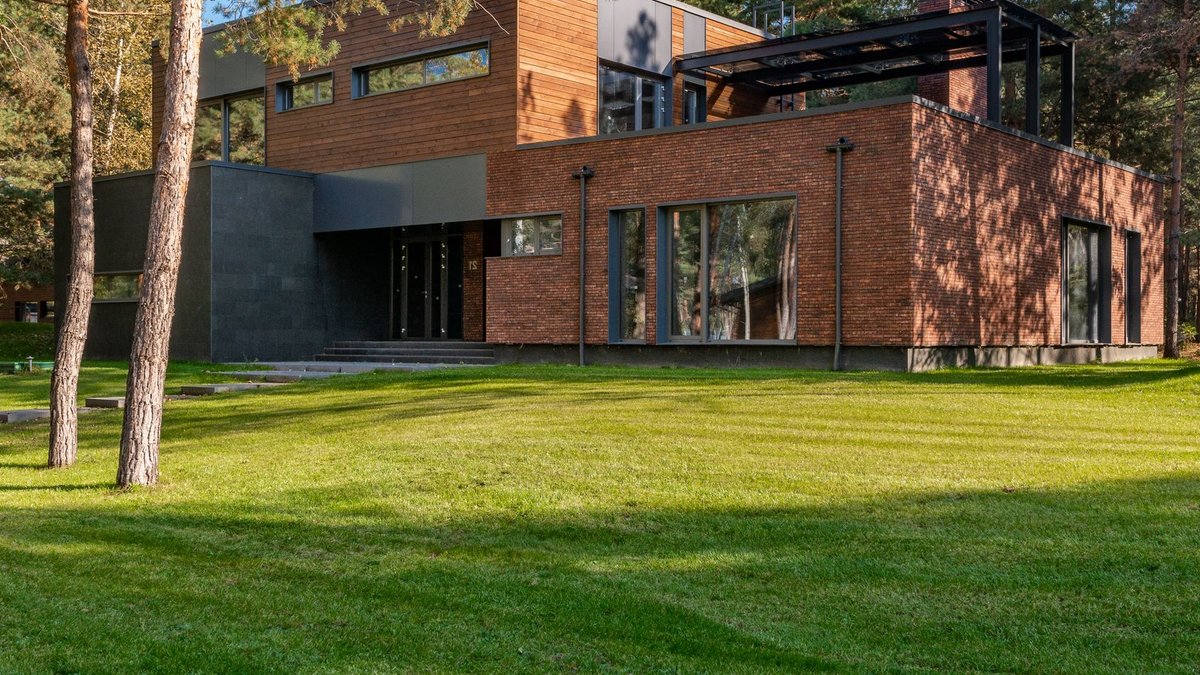
As homes become increasingly focused on wellbeing, connection to nature and flexible living, courtyard gardens are enjoying a well-deserved revival. Once associated with traditional Mediterranean homes and historic riads, today’s courtyard garden has evolved into one of the most desirable features in contemporary architecture. Rather than existing as a separate outdoor space, a courtyard acts as a natural extension of the home, bringing greenery, daylight and fresh air deep into the interior. Whether it’s a compact city home or a sprawling country retreat, these carefully designed outdoor rooms create a sense of calm while making every square metre work harder.
Blur The Boundary Between Indoors And Out
The ability of a courtyard garden to dissolve the line between architecture and setting is its greatest strength. Large sliding doors, floor-to-ceiling glazing and continuous flooring materials encourage the eye to move seamlessly from interior spaces into the garden. This design choice results in a home that feels larger, brighter and more connected to nature, even when the footprint is relatively compact. Living rooms, kitchens and dining areas benefit most from this relationship, with the courtyard becoming an extension of everyday life.
Related: Watering Greenhouse Plants for Best Results
Create A Private Sanctuary
Unlike front or rear gardens that often face neighbouring properties, courtyards offer exceptional privacy. Surrounded by the home itself, they create a protected retreat where homeowners can relax without sacrificing natural light. This sense of enclosure makes them ideal for outdoor lounging, morning coffee, quiet reading or entertaining. Carefully positioned trees, layered planting and textured boundary walls soften the architecture while enhancing the feeling of seclusion.
Design With Layers Of Greenery
Successful courtyards rely less on expansive lawns and more on carefully layered planting. Trees provide height and shade, shrubs create structure, while grasses and perennials introduce movement and seasonal interest. Choosing a restrained planting palette helps create a calming atmosphere. Repeating the same species throughout the space establishes rhythm and cohesion, allowing each plant to make a stronger visual impact.
Related: Tuscia Warehouse Becomes Fashion Headquarters
Let Natural Light Shape The Space
Because courtyards are often positioned at the centre of the home, they become powerful light wells that illuminate surrounding rooms throughout the day. Strategic placement allows sunlight to filter into interiors from multiple directions. This reduces the need for artificial lighting while creating constantly changing shadows that add warmth and character. Even a relatively small courtyard can dramatically improve the quality of natural light inside a home.
Incorporate Water And Natural Materials
The most memorable courtyards engage all the senses. A simple reflecting pool, bubbling fountain or shallow water feature introduces gentle movement and soothing sound to the garden. Pair these features with natural materials such as stone, timber, gravel and weathered steel to create a tactile setting that ages beautifully. These materials establish a timeless foundation while complementing both contemporary and traditional architecture.





Leave a Reply