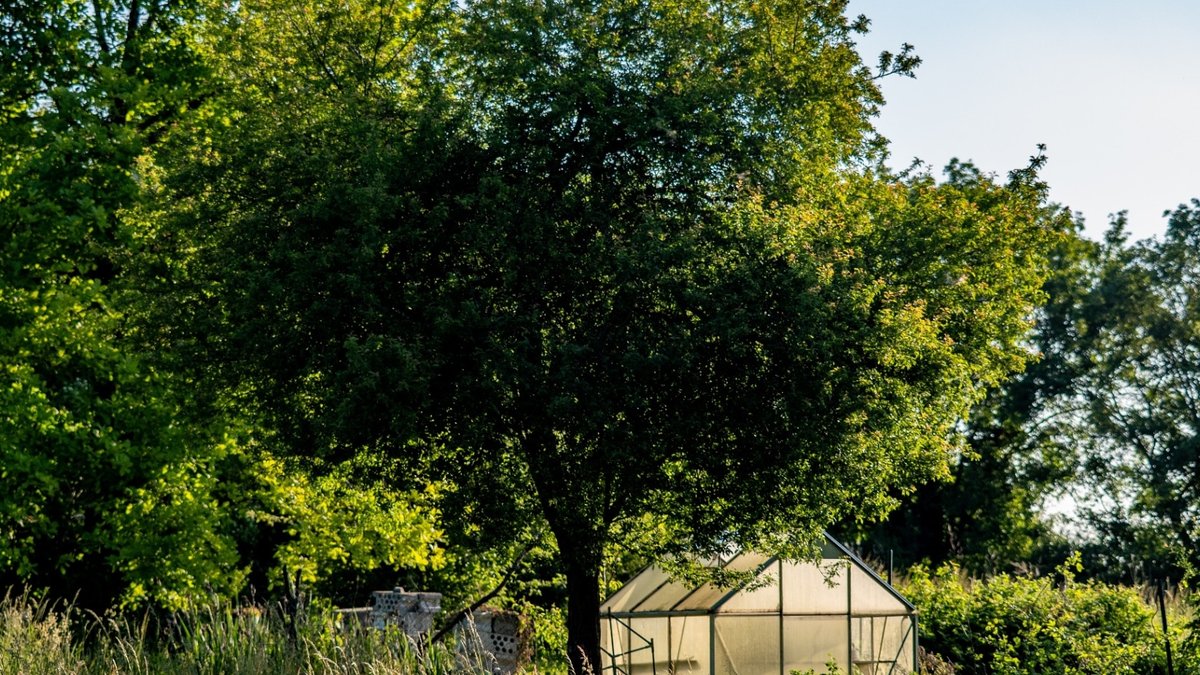
Getting the watering routine right is essential for keeping greenhouse plants healthy from seedlings to fruit‑bearing crops, especially when summer heat pushes temperatures up and sunlight intensifies.
When and How to Water
Experts recommend avoiding watering during the hottest part of the day. Early morning offers cooler air, allowing moisture to soak into the soil before temperatures rise and giving foliage time to dry. If morning is missed, evening is the next best option, but wet leaves overnight can lead to fungal diseases.
Direct the flow to the base of each plant rather than spraying foliage. Wet leaves create ideal conditions for powdery mildew and botrytis in the humid greenhouse environment. Using a fine‑rose attachment on a watering can or a gentle lance on a hose helps target the soil without splashing compost onto leaves.
Among the tools praised for precision are the Rowley Ripple two‑pint copper can, known for its lightweight design and curved spout, and the Hozelock multi‑jet spray gun, which lets users adjust flow from 50 % to 100 % of capacity. The Flopro telescopic watering lance offers six patterns and a 180‑degree spray head, useful for hanging baskets.
Reading the Soil
Compost moisture is the most reliable indicator of when to water.
A light sprinkle only wets the surface, encouraging shallow roots that dry out quickly. A deep soak lets water reach the full root zone, supporting stronger growth. When watering containers, allow excess water to drain before returning the pots to saucers.
Seedlings need delicate handling. A fine rose can or a brief soak of trays in shallow water helps the compost absorb moisture without over‑saturating the tiny roots. Remove the trays once the surface feels damp; lingering too long can lead to root rot.
Adjusting for Plant Types
Fruiting crops such as tomatoes, cucumbers, chillies, peppers, aubergines, and melons require a steady, even supply of moisture throughout the season to maintain flowering and fruit set. Inconsistent watering can cause blossom‑end rot, bitter fruit, or split tomatoes, reducing overall yield.
Related: Pet friendly plants for the home
Conversely, Mediterranean herbs and succulents prefer the soil to dry out between waterings. Overwatering these species often results in weak growth and fungal issues.
Signs of overwatering include yellowing leaves, soft stems, waterlogged compost, and the presence of fungus gnats. Underwatering shows up as wilting, dry soil pulling away from pot edges, drooping buds, or small, misshapen fruits.
Seasonal Shifts and Automation
Water needs change with the seasons. In spring, moderate watering usually suffices as plants grow steadily. Summer may demand daily watering to counteract heat stress, while autumn allows a gradual reduction as temperatures fall.
For growers who travel or manage large collections, an automatic drip‑irrigation system can alleviate the burden.
Consistent watering builds healthy roots.
Comparing this guidance to past greenhouse practices shows a shift toward more precise, data‑driven watering rather than relying on fixed schedules. Historically, many hobbyists followed a rigid timetable, which often led to either drought stress or water‑logging. The current emphasis on soil feel and targeted delivery reflects a broader trend in horticulture toward sustainability and disease prevention.
By matching watering times to cooler periods, directing moisture to the soil, and monitoring compost condition, growers can avoid common pitfalls and support robust harvests across a range of greenhouse crops.





Leave a Reply