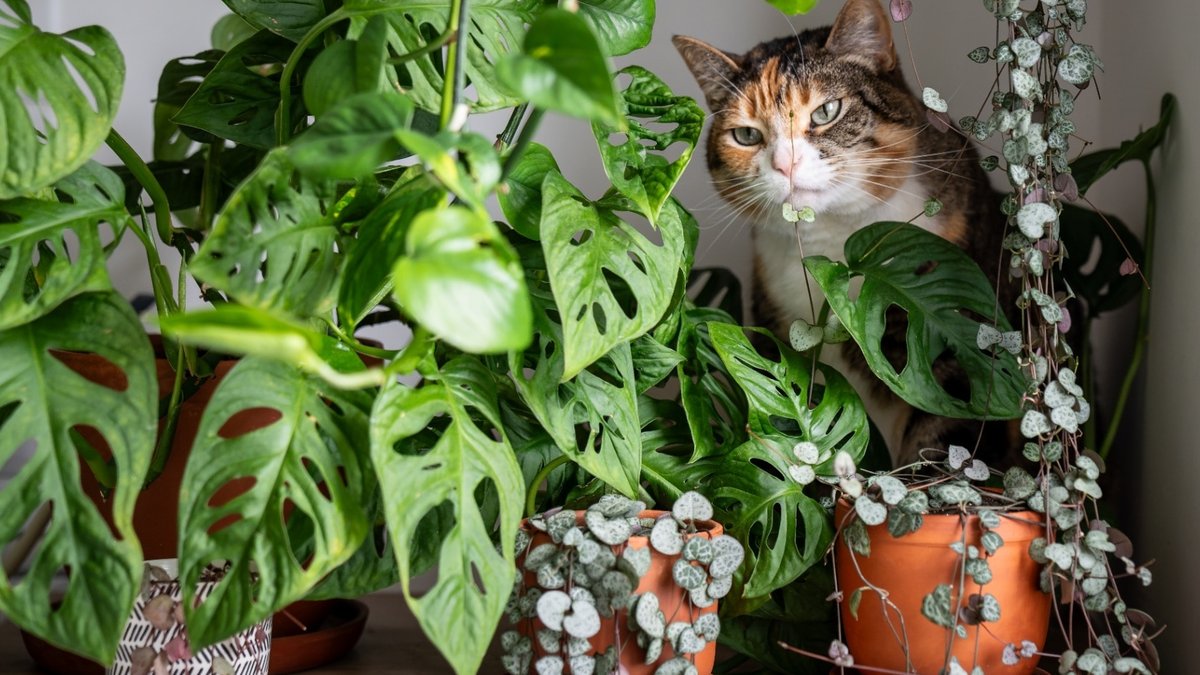
Houseplants bring color and texture to a home while also improving air quality, but pet owners often face concerns about toxicity. Many common varieties can cause irritation or illness if chewed by cats and dogs, particularly curious kittens and puppies. Several non-toxic options provide the same visual benefits without the risk.
Spider plants: easy and adaptable
Spider plants are ideal for beginners, featuring arching green-and-white-striped leaves that create a graceful display. Mature specimens produce long stems with baby plantlets, which can be easily propagated. They remain safe for cats and dogs and adapt well to various conditions, including lower light.
For optimal growth, keep the soil lightly moist during the growing season and allow the top layer to dry slightly between waterings. Their trailing habit makes them perfect for hanging baskets, where foliage can drape safely out of reach.
Boston ferns: lush and humidity-loving
Boston ferns add a leafy, woodland feel indoors with their soft, arching fronds. They pose no threat to pets and flourish in humid environments like bathrooms or kitchens. Bright, indirect light and consistently moist soil help maintain their lively green foliage.
Regular misting, humidity trays, or grouping plants together can mimic their natural habitat. Dry air and drought should be avoided, as they cause fronds to brown.
These plants offer more than decoration—they serve as a practical choice for pet owners seeking greenery without constant worry. Placement matters: hanging baskets, tall stands, and shelves can keep leaves away from curious paws.
Related: Women shape Coogee House design
Calatheas: bold patterns, pet-safe
Calatheas stand out for their striking, patterned leaves in shades of green, silver, cream, and purple. They remain safe for cats and dogs and add visual interest to spaces where flowering plants might struggle. Indirect light, warmth, and humidity suit them best, making them well-suited for bright bathrooms or sheltered corners.
Cold drafts should be avoided, and filtered or rainwater is preferable to prevent mineral buildup from tap water.
Peperomias: compact and low-maintenance
Peperomias are small, pet-safe plants available in diverse leaf shapes, colors, and textures. Their compact size makes them ideal for desks, shelves, or small apartments. Bright, indirect light works best, and their fleshy leaves retain moisture, so overwatering should be avoided.
Allow the soil to dry slightly between waterings to protect the roots. A thin-spouted watering can helps prevent spills with smaller plants.
While these plants are non-toxic, monitoring pets around any greenery is still advisable. Hanging baskets, tall stands, and shelves can reduce the risk of chewing. Chemical leaf shines or pesticides should be avoided unless labeled safe for indoor use around animals, and fertilizers and watering solutions must be stored securely—these substances can be more harmful than the plants themselves.



Leave a Reply