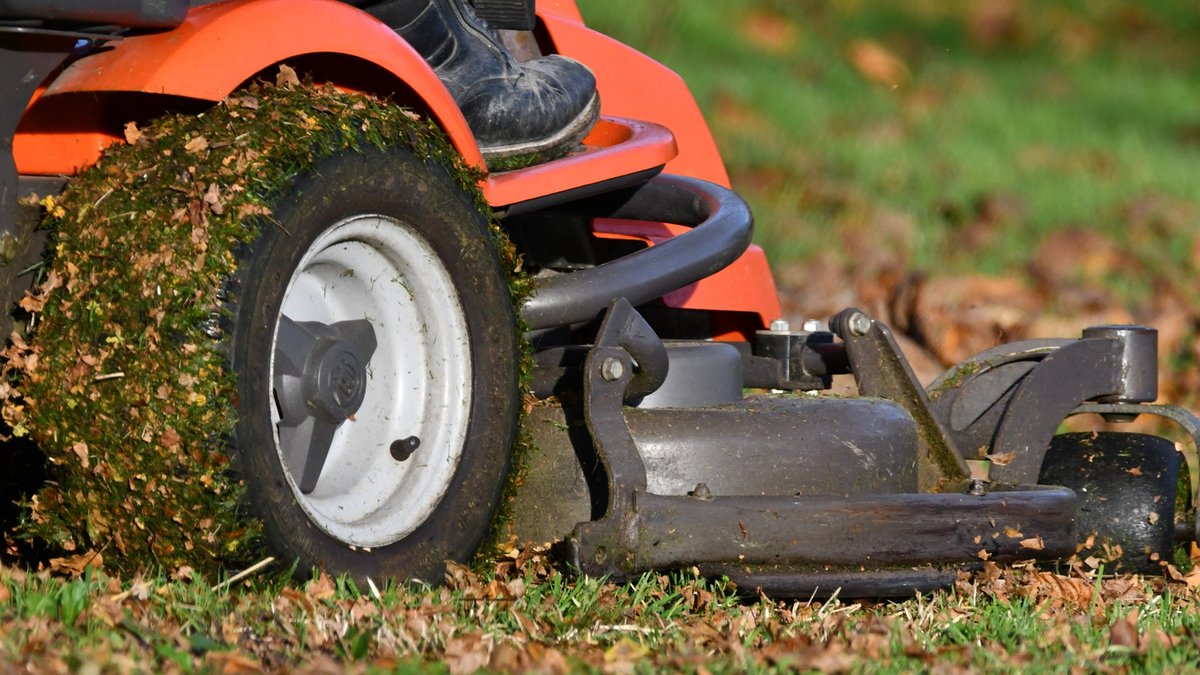
Riding mower accidents can cause severe injuries or crush the operator, especially when the machine tips over. This exposes riders to dangerous moving parts underneath and often results in a rollover. Preventing your riding mower from tipping over requires careful preparation and a specific driving technique. By following manufacturers’ guidelines and adjusting how you operate the equipment, you can avoid these dangerous incidents. Mowing on steep inclines creates specific challenges that demand strict adherence to safety protocols. Operators must recognize the inherent instability of these machines on hillsides.
Read the manual and prepare the machine
Every riding mower is different, so owners must read the owner’s manual before use. This document usually details how to prepare the specific model for various conditions. For example, some mowers recommend adding ballast to improve traction and stability. You should also confirm the machine is appropriate for your property’s terrain. If your yard has significant rough patches or hills, a zero-turn model might be too unstable compared to a standard riding mower. Attaching rollover protective structures, or ROPS, is another step that minimizes the risk of injury during an accident.
Before starting the engine, walk the area to remove large debris or animal burrows that could unbalance the vehicle. Wet grass can also make the mower slip, so extra caution is necessary in those conditions. Proper preparation ensures the machine is mechanically sound and the environment is safe. Owners should also verify that the tires are properly inflated. Under-inflated tires reduce traction and increase the likelihood of sliding. This simple check can prevent a loss of control. [1] natural repellents might also be useful for keeping pests away from the yard.
Drive with caution on flat surfaces
When the terrain is relatively flat, safety comes down to driving technique. Operators should move at a slow, steady pace and avoid making sharp turns. Paying attention to the path ahead helps prevent sudden swerves. However, mowing on a slope introduces much higher risks than flat ground.
Operating at an angle makes even a small piece of debris dangerous. If the mower is carrying a full grass catcher, it becomes top-heavy. This combination increases the likelihood of the machine sliding down the hill or toppling over completely. To prevent this, never mow the hill horizontally. Working from side to side may seem easier, but it significantly increases the odds of a rollover. You should also keep the mower facing the bottom of the hill. This positions the light front wheels on the ground, which helps maintain stability. While this means mowing in reverse, it is the safer method for inclines.





Leave a Reply